Roofing and Roof Repairs: Expert Guide
By
Grace
Date
February 6, 2026
Read Time
3 min read
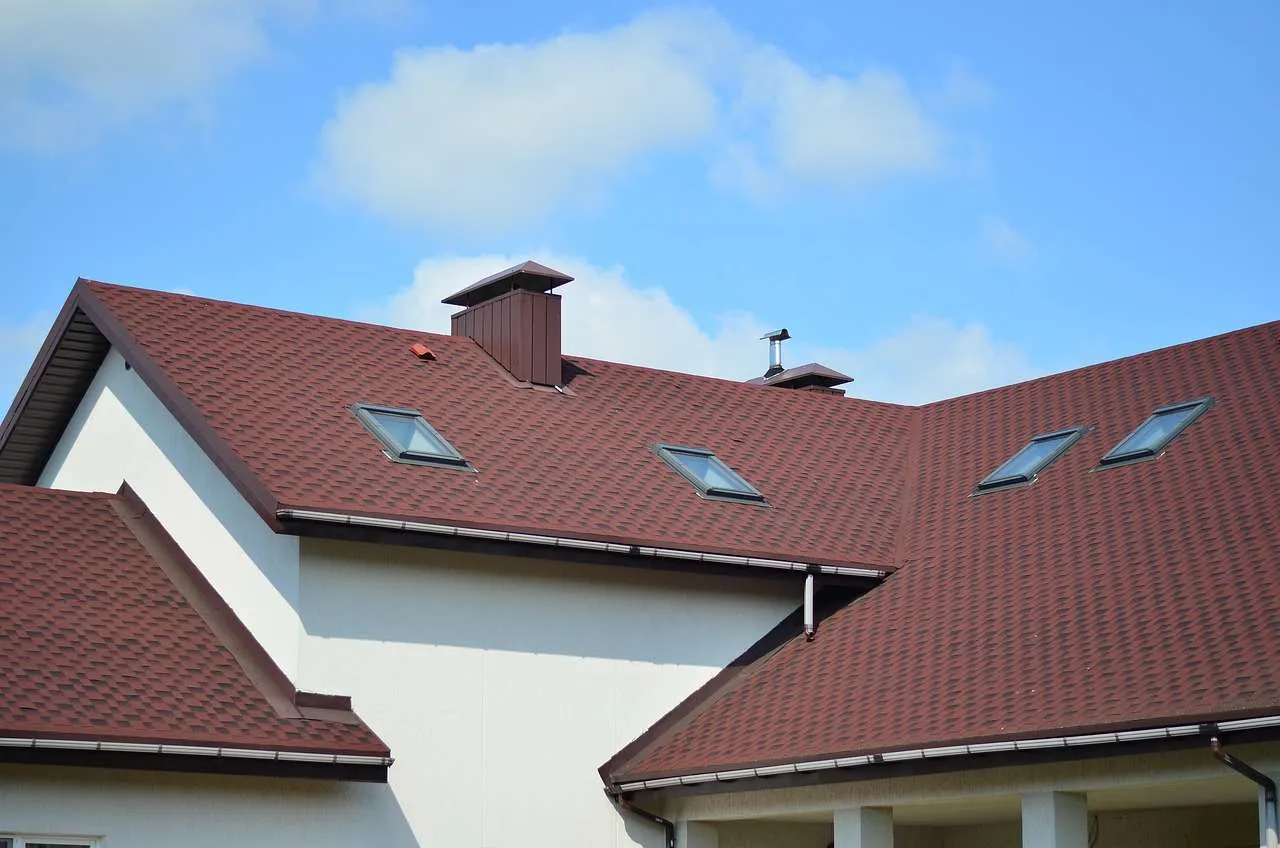
Roofing and roof repairs are essential to protecting a home from weather, preserving value, and ensuring safety for occupants. This article explains how roofing works, common repair needs, how to decide between repairs and replacement, how to hire a reputable contractor, what a repair project typically involves, cost considerations, and practical maintenance tips to extend roof life while aligning with EEAT principles of expertise, authority, and trust.
Understanding roofing and common issues
Roofing systems consist of layers such as shingles or tiles, underlayment, flashing, and ventilation. Damages can come from wind, hail, standing water, aging, or improper installation. Common repair needs include replacing damaged shingles, resealing flashing around chimneys and skylights, repairing or replacing ridge caps, and addressing attic condensation or ventilation problems that accelerate wear.
When to repair vs replace
Small leaks, isolated shingle damage, or worn flashing may be resolved with repairs. Widespread damage, sagging sections, multiple leaks, or aging beyond the manufacturer's warranty often warrants replacement. A licensed professional can perform an assessment and provide an itemized estimate with pros and cons.
Choosing a roofing contractor
To satisfy EEAT, look for licensed, insured contractors with verifiable references and a solid warranty. Check state licensure, years in business, portfolio, and customer reviews. Request written estimates, compare scope of work, materials, and timelines, and ask about cleanup, permits, and post repair inspections.
What to expect during a repair project
A typical roof repair begins with a careful inspection, rain or shine, followed by securing the site, removing damaged material if needed, and installing replacement shingles, flashing, or underlayment. Reputable contractors use quality materials and provide a warranty on parts and workmanship. They should also review maintenance steps you can take to prevent recurring leaks.
Cost considerations and budgeting
Repair costs vary by type, material, and roof size. Minor shingle repairs are the most affordable, while flashing work, leak remediation, and partial repairs add complexity. A practical range for typical repairs is provided in the table below to help you budget and compare estimates.
| Repair Type | Typical Cost | Pros | Cons |
|---|---|---|---|
| Minor shingle repair | 150–400 | Low cost, quick fix | May signal underlying issues |
| Roof flashing repair | 300–800 | Stops leaks, protects deck | Access can be tricky |
| Leak patch on deck | 250–1000 | Targeted fix | Underlying damage may require more work |
| Partial roof repair | 1000–4500 | Extends life, preserves existing roof | Not a full solution for widespread damage |
| Full roof repair or re-cover | 5000–15000 | Longer lifespan, warranty | Higher upfront cost |
Maintenance tips to extend roof life
Regular inspections after seasons, keeping gutters clear, trimming overhanging branches, and addressing minor issues promptly can prevent larger repairs. Consider adopting a maintenance schedule with a trusted contractor to catch problems early and ensure proper ventilation and insulation in the attic.
Conclusion
Conclusion, investing in quality roofing and timely roof repairs is essential for safety, energy efficiency, and home value. By understanding your roof, selecting a licensed contractor, and budgeting for routine maintenance, you can maximize performance and minimize costly surprises over the life of your roof.
Summary: Regular inspections, timely repairs, and hiring a licensed contractor help protect your home, reduce costs over time, and maximize the performance and lifespan of your roofing system.
Related Articles

Repair of Roofing: Expert Guide
Read More >